DIPROPYLENE GLYCOL
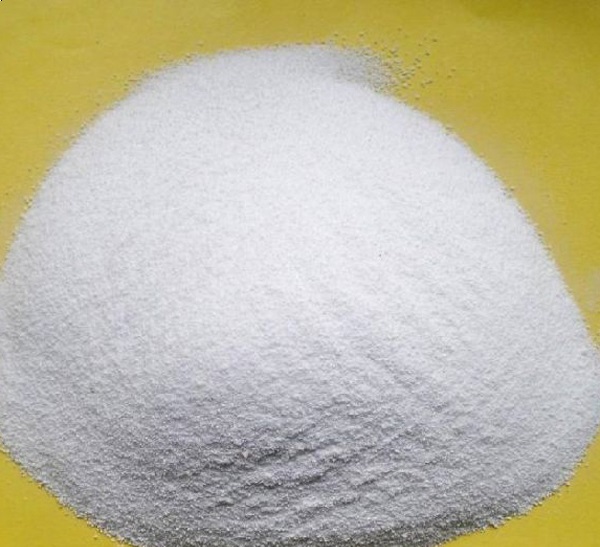
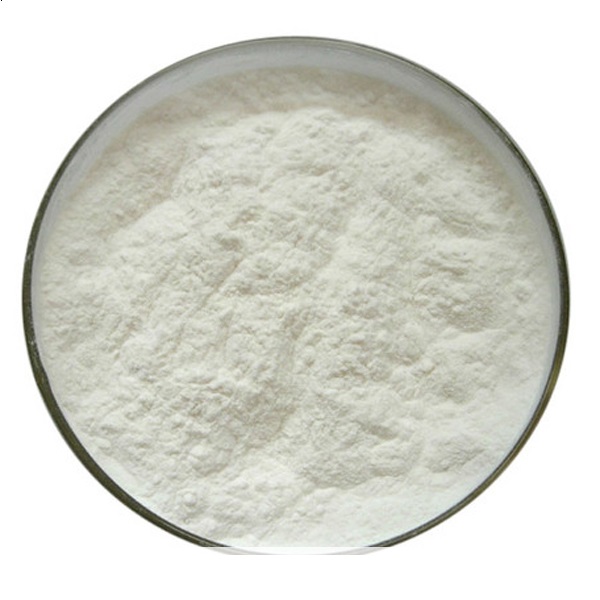
Description Propylene glycol alginate or PGA is an additive used mainly as a thickening agent in certain types of food. It is made from the kelp plant or from certain kinds of algae, which is processed and transformed into a yellowish, grainy chemical powder. The powder is then added to foods that require thickening. Propylene glycol alginate has been used for many years as a food preservative. Many food manufacturing companies use it in the most common household food items. Most types of gel-like foods, including yogurt, jellies and jams, ice cream, and salad dressing contain propylene glycol alginate. Certain condiments and chewing gum also contain this chemical. Some kinds of cosmetics used on the skin use this chemical as an ingredient to thicken or preserve a make-up product. ITEMS STANDARD Appearance White to off-white powder Viscosity (1%, mPa.s) As per need Particle size 95% pass 80 mesh Degree of esterification (%) >= 80 Loss on drying (105℃, 4h, %) =<15 pH (1%) 3.0- 4.5 Total propylene glycol (%) 15- 45 Free propylene glycol (%) =<15 Ash insolubles (%) =<1 Arsenic (As) =<3 mg/kg Lead (Pb) =<5 mg/kg Mercury (Hg) =<1 mg/kg Cadmium(Cd) =<1 mg/kg Heavy metals (as Pb) =<20 mg/kg Total plate count (cfu/g) =< 5000 Yeast & mould (cfu/g) =< 500 Salmonella spp./ 10g Negative E. Coli/ 5g Negative
Related products
-
SODIUM TRIPOLYPHOSPHATE
Description Properties White microdot powder with luster, melting point at 622℃, easily soluble in water, with remarkable chelating ability to some metal ions such as Ca2+, […]
-
CITRIC ACID ANHYDROUS
Description Citric acid is a weakorganic acid. It is a natural preservative conservative and is also used to add an acidic, or sour, taste to foods […]
-
GLUCONO DELTA LACTONE
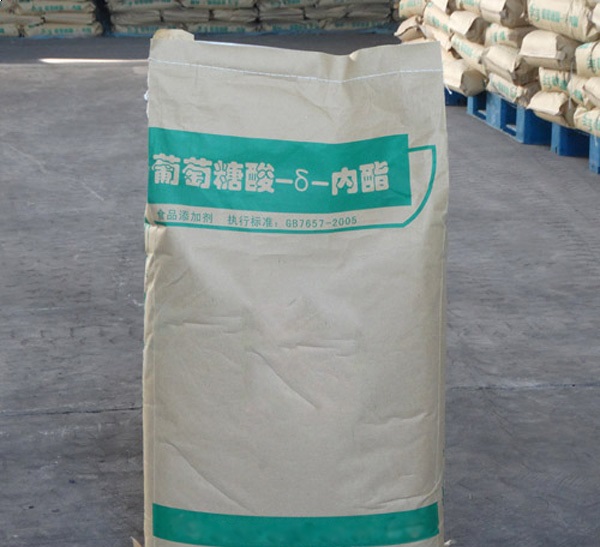
Description As a food Preservatives, it is listed as E number 282 in the Codex Alimentarius. Calcium Propionate is used as a preservative in a wide variety of products, […]